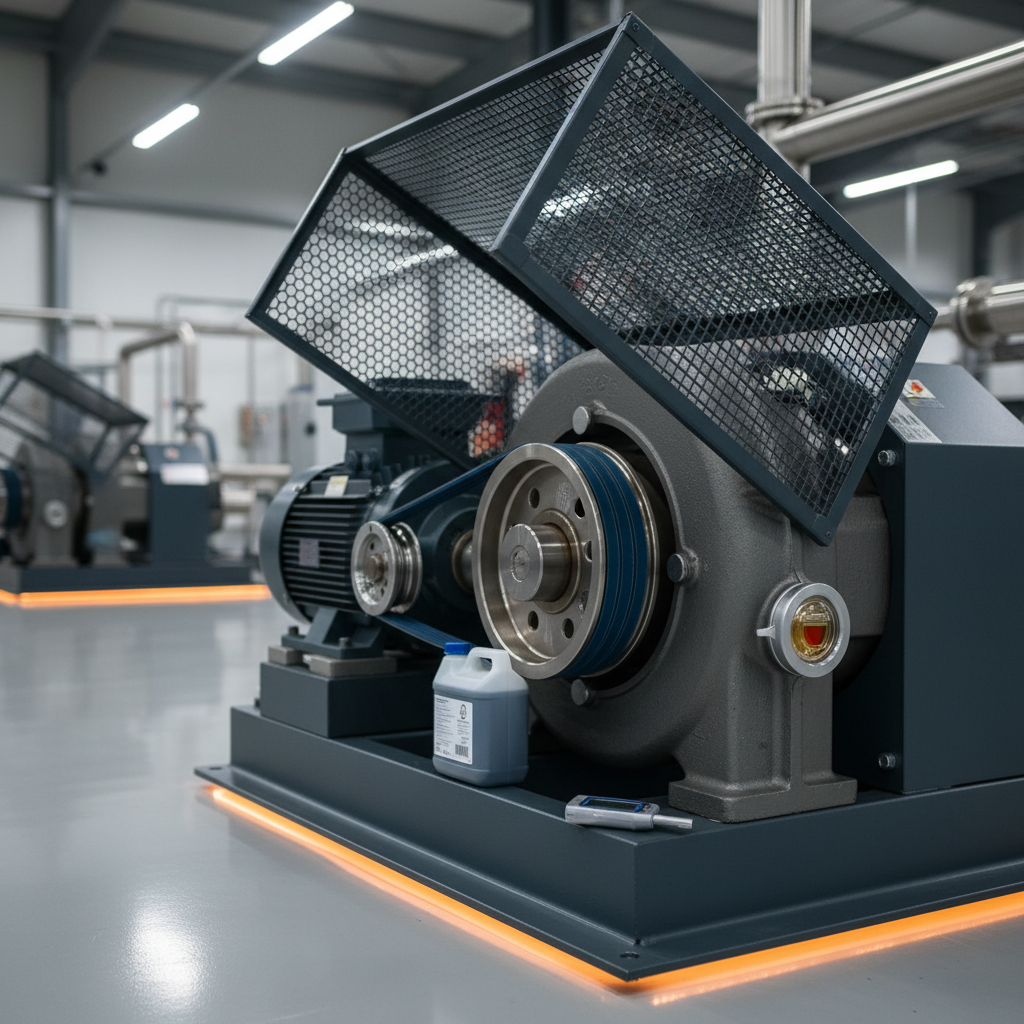
Fixed Volume. Unfailing Pressure. Engineered to Endure.
Positive Displacement Blowers for Every Process Air System
Heavy-duty positive-displacement blowers: wastewater aeration, pneumatic conveying, vacuum-truck fleets and industrial process air. Rotary lobe and screw designs deliver fixed volume each revolution despite system resistance, in round-the-clock packages.
rotors never touch and never contact the lubricant.
The fundamentals
How a Positive Displacement Blower Works
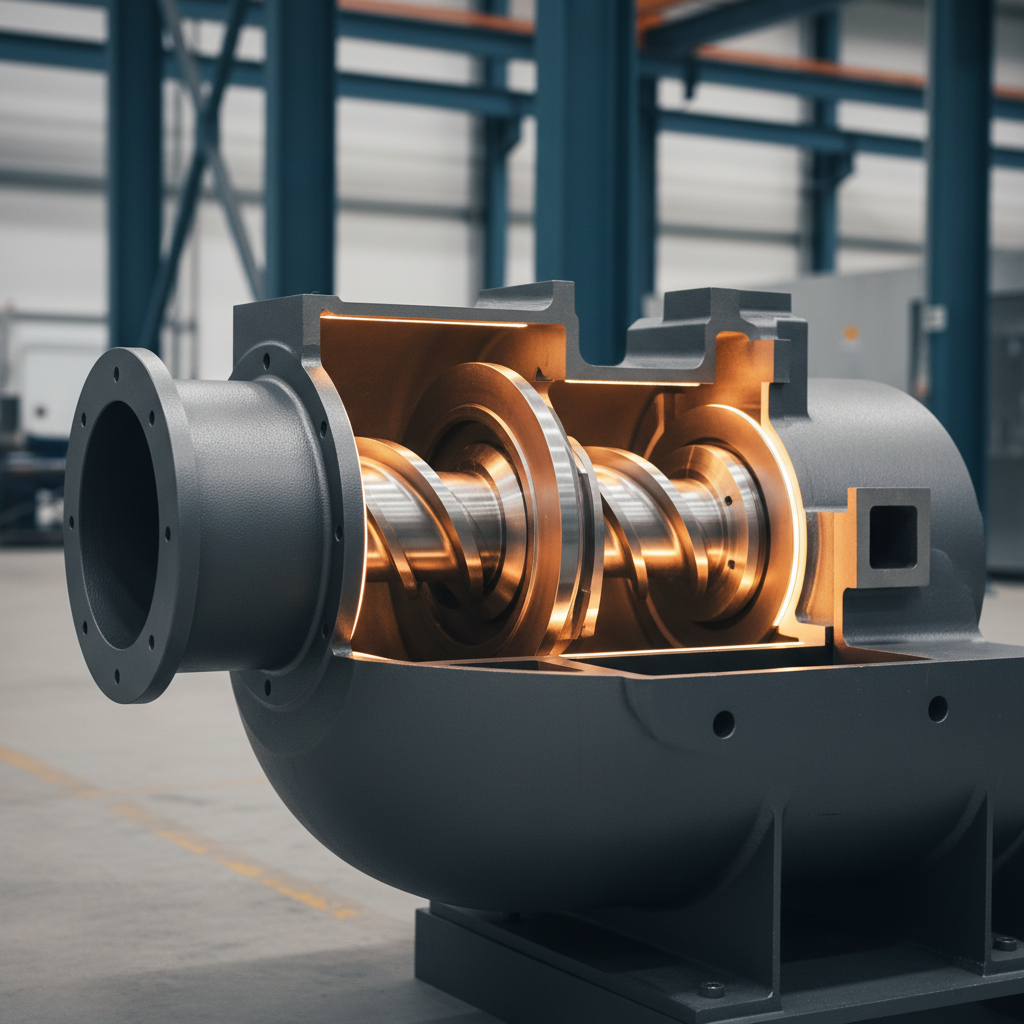
A rotary lobe blower has two rotors turning in opposite directions within a close-fitting casing, timed by gears so they never touch. Each lobe traps a pocket of air against the casing wall and carries it to the discharge. No compression occurs inside: the pocket reaches the outlet at inlet pressure and is compressed when higher-pressure discharge air rushes back. This is external compression, and it's why the blower develops pressure only against system resistance.
Since each revolution sweeps the same volume, flow tracks speed closely and barely shifts with pressure. That's the defining trait of positive displacement, and why these blowers dominate duties with varying resistance: fouling diffusers in aeration basins, conveying lines loading with product, vacuum truck hoses choking on debris. A centrifugal blower would lose flow or surge; a positive displacement blower keeps delivering as pressure rises to match.
The trade-off for that constancy is heat and slip. Compressing air at the discharge is less efficient than gradual compression, so a rotary lobe blower runs hotter per psi than a screw machine, and a small amount of air always leaks back through running clearances, increasing with pressure. Both are managed in design: rotor profiles, pre-inlet channels, clearances, and speed ranges are chosen so the blower runs cool, quiet, and tight enough for its rating. The idea dates to 1860, when the two-lobe rotary blower was first patented, and the original name still follows the machine.
Timing Gears and Rotors
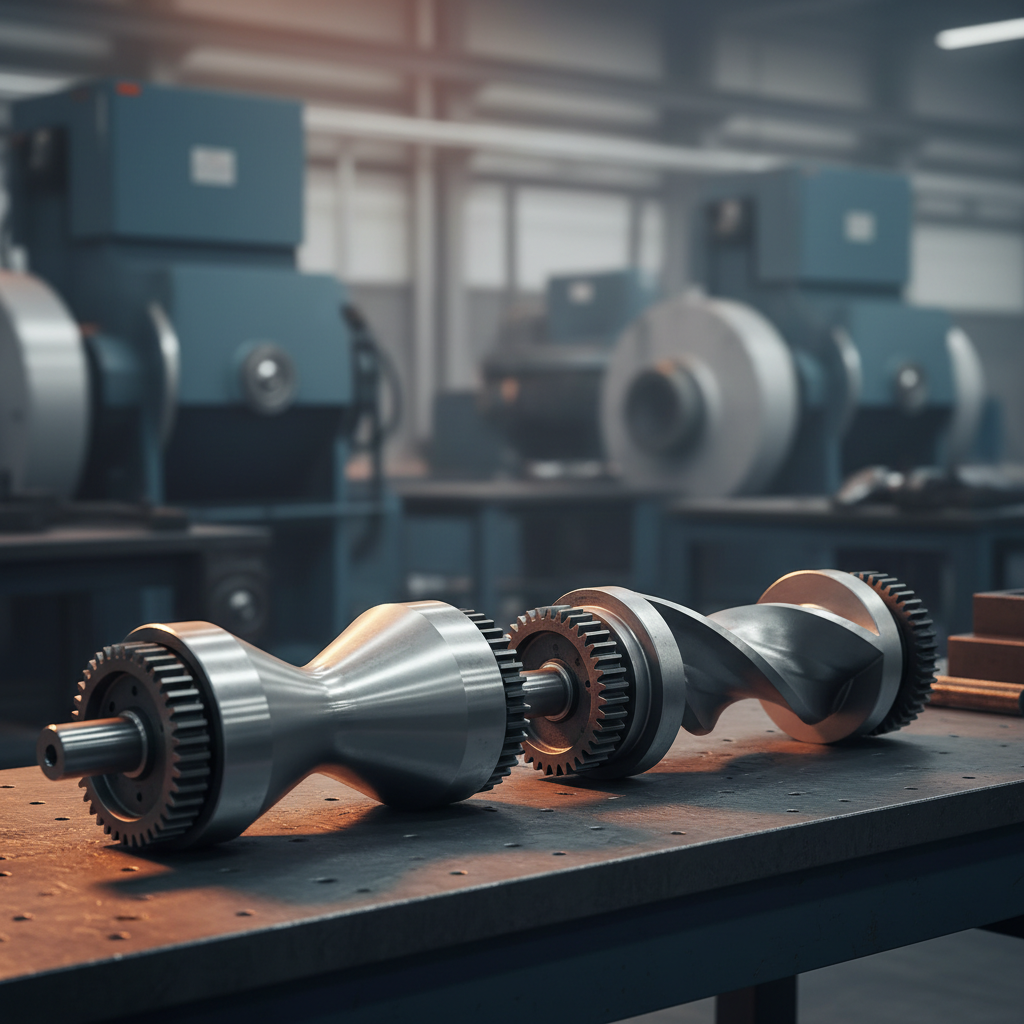
Bi-lobe or tri-lobe rotors, cast or forged, spin on shafts supported by bearings at each end. Hardened timing gears maintain a gap of a few thousandths of an inch, so the rotors move air without contacting each other or the casing.
Casing and End Plate Structure
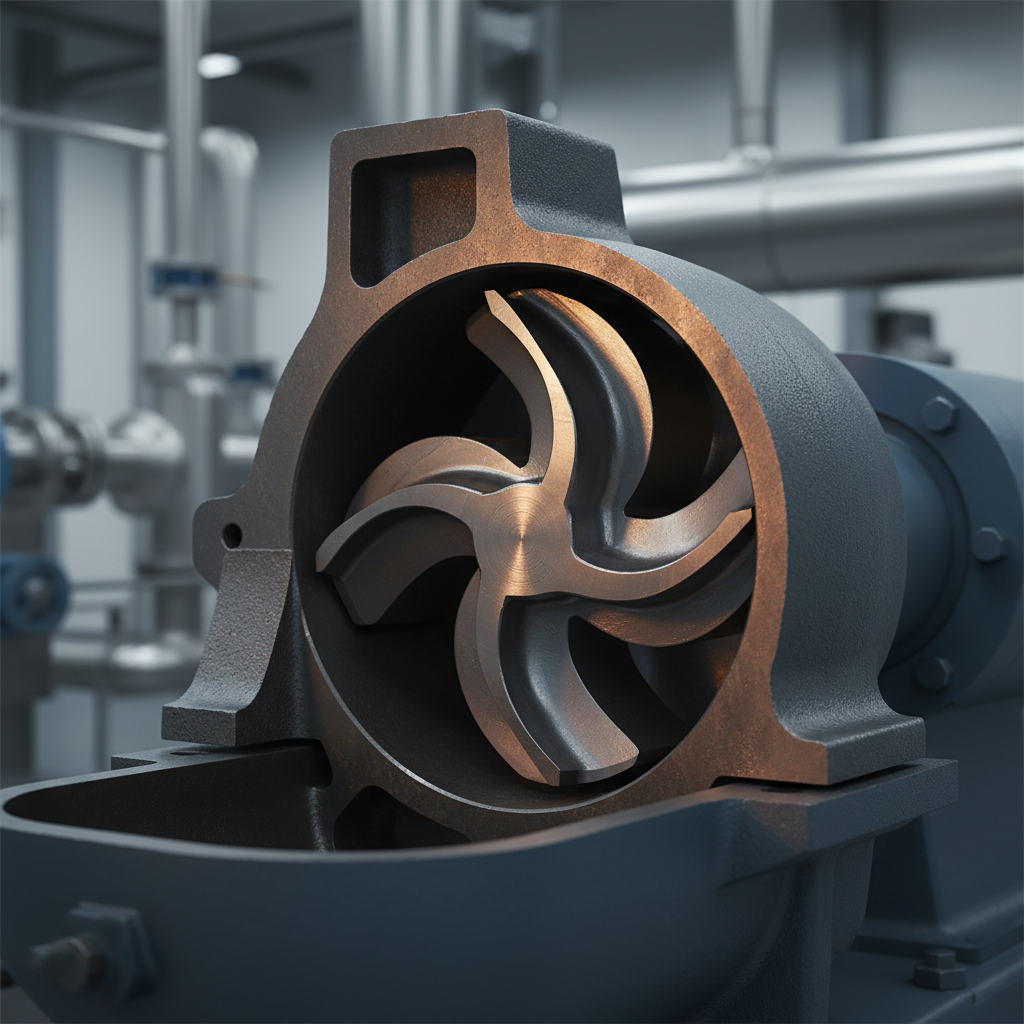
Ribbed cast iron casing machined to the rotor profile, sealed by end plates that establish axial clearance. It holds inlet and discharge flanges and, on many designs, pre-inlet channels that gradually bleed discharge pressure into the trapped pocket to reduce pulsation.
Lubrication, Bearings, and Seals
Bearings are mounted outside the air chamber in gear-end and drive-end housings, lubricated by splash oil or grease. Shaft seals prevent lubricant from entering the air stream and process gas from contaminating the oil, ensuring oil-free delivery.
Drive and package
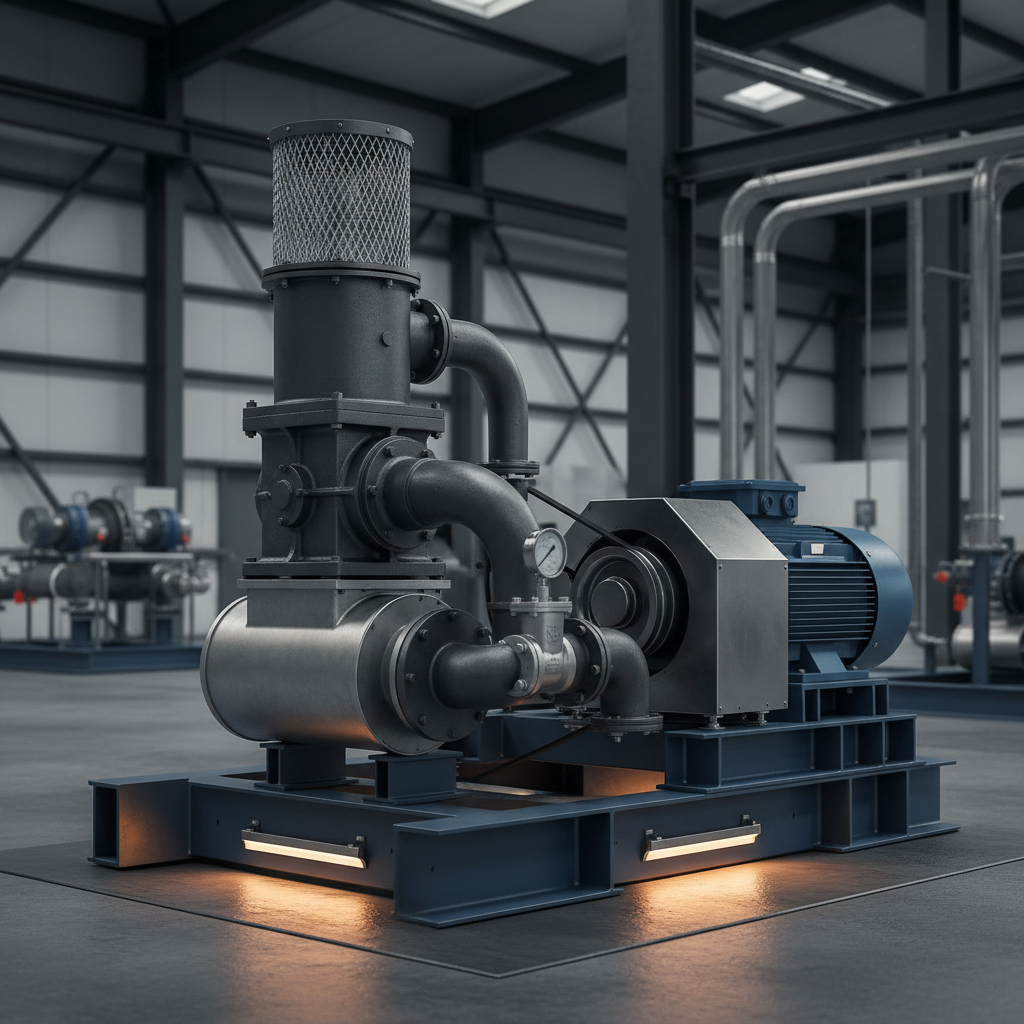
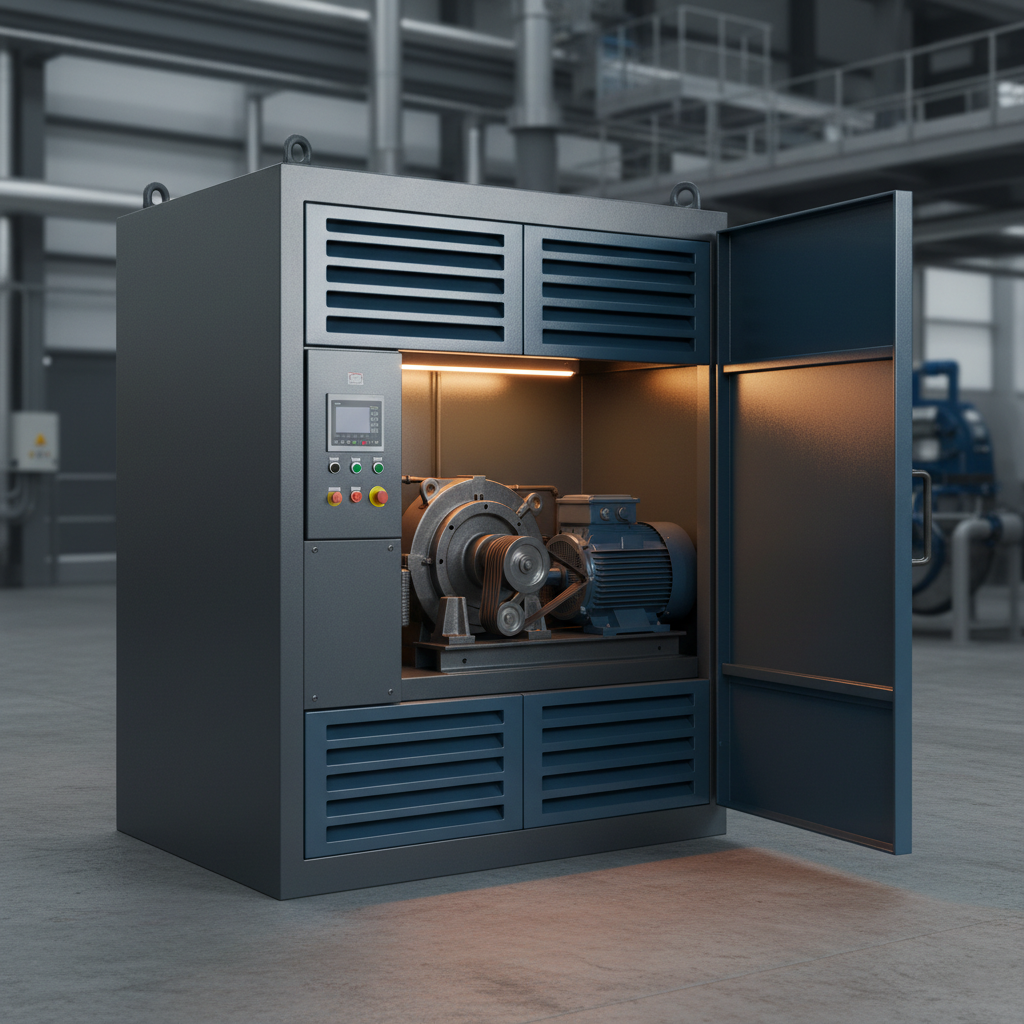
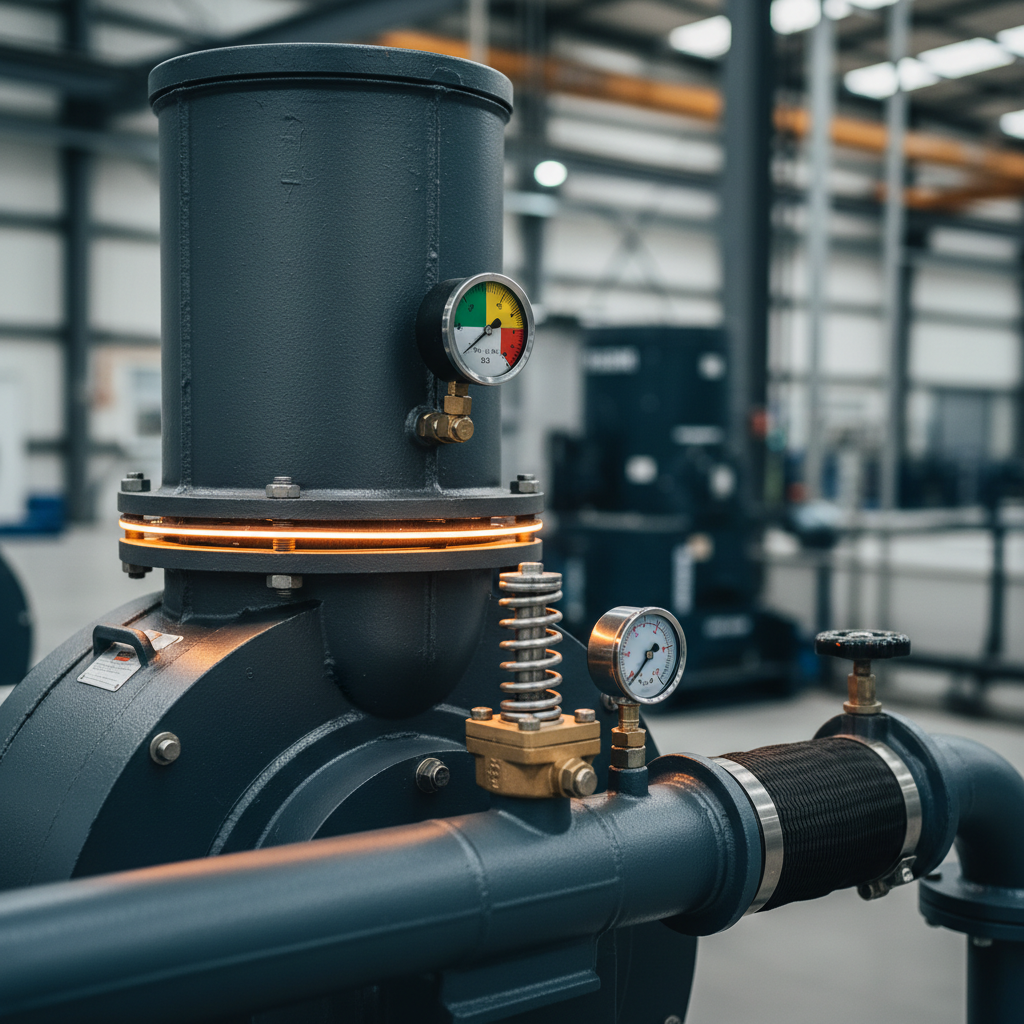
A motor drives the blower via V-belts, allowing flow adjustment by sheave ratio, or through a direct coupling. The package includes inlet filter and silencer, discharge silencer, relief valve, check valve, gauges, flexible connectors, a base, and often an acoustic enclosure.
Where Pressure Actually Originates
A positive displacement blower doesn't create pressure; it creates flow, and pressure is the downstream system's response. A closed valve, blinded filter bag, or plugged conveying line drives pressure and temperature up until the relief valve lifts, which is why every package includes one sized for full blower flow. The reverse holds when the blower stops: pressurized air, or water standing in an aeration header, will spin the rotors backward unless a check valve holds. Neither valve is optional, and both belong on the test schedule.
The line-up
Blower Types and Their Differences
Every positive displacement blower has a sealed casing, noncontacting rotors, and moves a fixed volume per turn. Designs differ by rotor profile, internal or discharge compression, and duty packaging.
Bi-lobe rotary blowers
The original figure-eight rotor: two lobes per rotor, four discharge pulses per revolution, simple to manufacture and rebuild. Most frames are rated to about 15 psig pressure and about 15 inches of mercury vacuum. Higher pulsation than tri-lobe designs demands more from silencers and mounts. Still the workhorse for vacuum trucks, older conveying, and general industrial service.
Lowest upfront cost and the most extensive rebuild and parts network.
Higher pulsation and noise compared to tri-lobe designs.
Common in vacuum trucks, ash handling, and legacy conveying lines.
Tri-lobe rotary blowers
Three lobes per rotor produce six smaller discharge pulses per revolution instead of four, reducing pulsation, noise, and vibration. Many frames can sustain a higher continuous pressure rating for the same temperature rise. Helical rotors and pre-inlet channels extend that advantage. Tri-lobe is now standard for new wastewater aeration and pneumatic conveying packages.
Lower pulsation yields quieter packages and smaller silencers.
Higher continuous pressure rating across many frames.
Default choice for aeration and conveying packages.
Rotary screw blowers
Two helical rotors compress air internally as cavities shrink toward the outlet. Internal compression eliminates most backflow loss typical of lobe blowers, so power consumption drops noticeably above about 8 psig, and discharge air is cooler and quieter. Screw blowers cost more and require direct or gear drives, paying back in continuous duty on large aeration and conveying systems.
Internal compression reduces power at higher pressure ratios.
Cooler discharge and less noise than lobe designs.
Higher purchase price; best for continuous, heavy-duty service.
Packages, Enclosures, and Rental Units
Most blowers ship as engineered packages: blower, motor, drive, base, filter, silencers, valves, and instruments assembled and run-tested as a single unit. Acoustic enclosures reduce open-frame noise to plant-room levels. Skid and trailer packages serve rentals and outages, and rebuilt exchange units keep older installations running with minimal lead time.
Factory-assembled and run-tested as one unit.
Acoustic enclosures for indoor or near-neighbour sites.
Rental and exchange units for outages and peak demand.
Positive Displacement Compared to Centrifugal, Turbo, and Regenerative Blowers
Multistage centrifugal and high-speed turbo impellers accelerate air, converting velocity to pressure. Flow drops as pressure rises, eventually causing surge. They excel in efficiency at a single steady design point and at very large flows. Regenerative blowers are simple, inexpensive, and limited to a few psig. Start with the comparison below.
Technology
Flow against pressure
Typical range
Best fit
Positive Displacement Rotary Lobe
Constant volume per revolution; system determines pressure.
Up to about 15 psig, or about 15 in Hg vacuum
Aeration, conveying, vacuum trucks, and duties with variable resistance.
Positive Displacement Rotary Screw
Constant volume plus internal compression.
Higher pressure than lobe designs at lower power consumption.
Continuous high-pressure duty where power cost is critical.
Multistage centrifugal
Flow decreases as pressure rises; can surge.
Large flows at low to moderate pressures.
Large, steady aeration and combustion air applications.
High-speed turbo
Flow decreases as pressure rises; can surge.
Extremely high efficiency at design point.
Large plants with steady demand and an energy efficiency case.
Regenerative (side channel)
Flow drops steeply with pressure.
Low flow at a few psig or inches of vacuum.
Small aeration, packaging, drying, and light vacuum duties.
Typical Applications
Applications by industry
Across industries, the machine keeps two rotors, a casing, and fixed volume per turn. Industries differ in required pressure or vacuum, resistance changes per shift, drive and controls, and distance from a rebuild shop.
Wastewater aeration
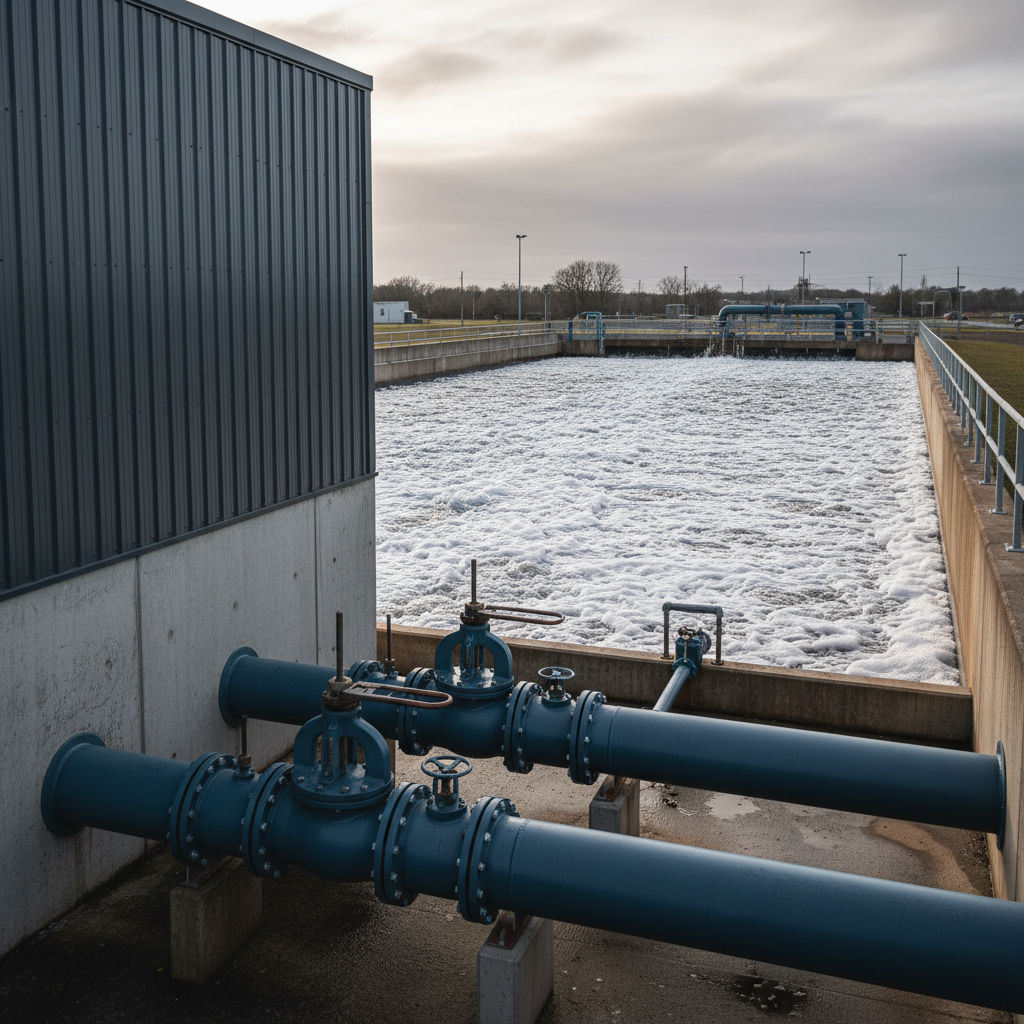
Activated sludge plants force air through basin-floor fine-bubble diffusers. Blowers overcome water depth and seasonally varying diffuser fouling. Positive displacement blowers sustain biological airflow despite changing resistance. Dissolved-oxygen speed control manages aeration, typically the plant's largest electrical load.
Constant airflow despite diffuser fouling and changing basin levels.
Dissolved-oxygen speed control reduces the plant's largest power load.
Standby capacity permits blower servicing.
Pneumatic conveying
Dilute-phase conveying moves powders, pellets, grain, and granules in air. Pressure systems push product from rotary valves to silos; vacuum systems pull it to receivers. Fixed-volume blowers maintain velocity above product dropout as lines load.
Keeps conveying velocity as product loads the line.
Pressure duty for silo filling; vacuum duty for unloading and pick-up.
Sized by line velocity, distance, lift, and product density.
Vacuum Trucks and Hydro Excavation Services
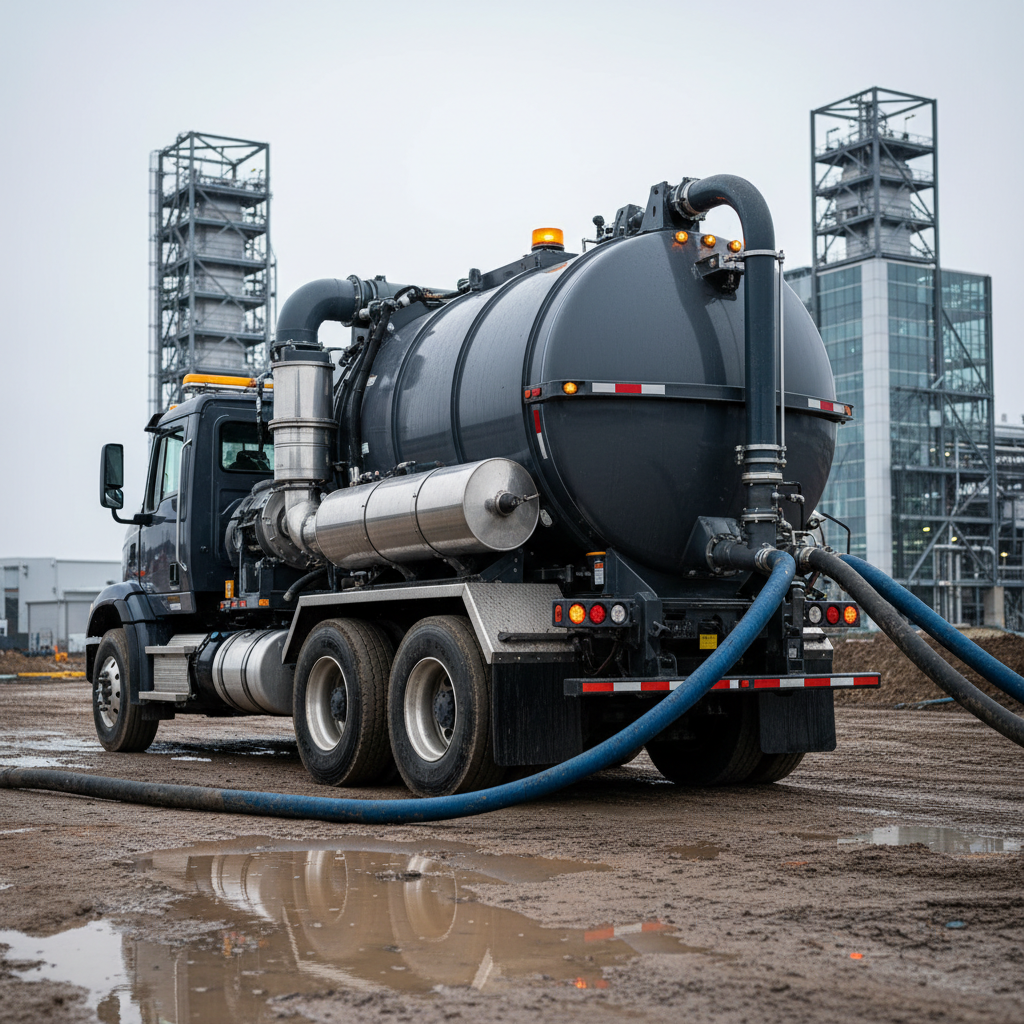
Sewer cleaners, industrial vacuum loaders, and hydro-excavation rigs move slurry, spoil, and debris with air. Blowers pull high vacuum through long hoses under varying loads, tolerate carry-over and heat, and are shop-rebuildable between seasons. Truck-rated bi-lobe and tri-lobe blowers are standard.
High vacuum and airflow through extended hoses.
Tolerates carry-over, heat, and constantly changing loads.
Truck-rated frames supported by rebuild and exchange networks.
Dry Bulk Tanker Unloading Systems
Blowers on cement, flour, plastic pellet, and sand tankers pressurize tanks and convey loads into customer silos. Compact road-duty lobe blowers, driven by truck PTO or hydraulic motors, are standard.
Aquaculture and Pond Aeration Systems
Fish and shrimp farms and hatcheries aerate deep tanks and ponds through diffusers, often continuously and far from service centers. Low-pressure lobe blowers with simple drives and generous filters handle the duty.
Process Gas, Biogas, and Digester Applications
Digester gas mixing, landfill gas collection, and nitrogen or process-vapor service demand gas-tight blowers with mechanical seals, purge connections, and gas-specific materials. Pressures are modest; sealing and safety drive the specification.
Filter Backwash, Flotation, and Plant Air Duties
Sand filter backwash, dissolved-air flotation, flue gas oxidation air, cooling, and drying exploit the same fixed-volume behavior. Many are intermittent duties where a simple lobe blower is the economical choice.
Getting the Specification Right
Nine Criteria That Determine the Selection
Most complaints stem from one purchase specification endured for twenty years. Check these before ordering. A frame overheating at site conditions or a motor sized without the relief valve setting cannot be fixed by maintenance.
01
Inlet Condition Flow
Specify ACFM or ICFM at site temperature, altitude and humidity, not catalogue SCFM. At 5,000 feet, the same volume has less mass. A 100 °F summer inlet requires more volume for equal oxygen transfer or conveying velocity.
02
Discharge Pressure and Temperature Ratings
Total static head: pipe, valve, diffuser or receiver back pressure, plus silencer losses. Verify discharge temperature at that differential. Fine-bubble diffusers below 15 feet of water need about 6.5 psi static head, since fresh water exerts about 0.433 psi per foot. Temperature, not flow, limits most lobe blowers.
03
Turndown and control
Define the duty variation. Dissolved-oxygen control in aeration and product-rate changes in conveying require speed control. Confirm the frame's speed range at design pressure and minimum cooling speed. Select a VFD, sheave change, or multiple units to cover the required range.
04
Duty Cycle and Redundancy Planning
Continuous 24-hour service favors tri-lobe or screw designs, generous margins, and standby units. Wastewater plants typically keep one extra blower beyond duty needs for servicing. Intermittent truck or batch duty allows a harder-working, lower-cost machine.
05
Inlet Gas Conditions
Clean air is the standard. Biogas, landfill gas, nitrogen, and process vapors alter seal, material, and coating requirements, and may need gas-tight designs with purged seals. Dusty or humid inlet air raises filter specification and element-change frequency.
06
Noise and location
Open-frame lobe packages are a concern in plant rooms or near property lines. Establish the boundary noise limit first, then choose silencers, an enclosure, or a screw blower, rather than discovering the issue during commissioning.
07
Drive, Motor, and Electricals
Belt drives fine-tune flow via sheave ratio and offset the motor from the blower centerline. Direct drives eliminate belt losses and maintenance. Size the motor at the relief-valve setting with service factor. Confirm inverter rating if a VFD is planned.
08
Protection and instruments
Every package requires a full-flow relief valve, discharge check valve, restriction-indicating inlet filter, and pressure and temperature gauges. Discharge temperature, filter restriction, and oil level switches convert costly failures into alarms.
09
Service, Parts, and Rebuild Support
A blower operating for twenty years will need several rebuilds. Balance parts availability, rebuild lead time, exchange units, and field-service reach against price. Request the bearing and seal overhaul cost before committing.
The package
What Surrounds the Blower and Why
The bare blower is one third of installed cost. Surrounding equipment delivers most of the reliability. Filtration protects clearances, silencers protect neighbors, relief and check valves protect the machine, and instruments flag attention needed. Specify the package as a whole, not parts later.
Component
Purpose
Notes
Inlet filter silencer
Keeps dust out of clearances and reduces inlet noise.
A restriction indicator or differential gauge displays element loading. Without a filter, the blower wears its rotors open in weeks.
Discharge silencer
Absorbs pulsation ahead of the pipework.
Chamber or absorptive type, sized to the blower's pulse frequency. An undersized silencer leads to pipe vibration and noise at the diffusers.
Pressure relief valve
Guards the blower against a blocked line.
Set slightly above design pressure and sized for full blower flow. Test regularly; a valve never lifted may fail when needed.
Check valve
Prevents reverse flow and reverse rotation at shutdown.
Required on aeration headers where water can back up, and in parallel installations where a running unit could reverse a stopped one.
Flexible connectors
Isolate pipe strain and vibration.
Fabric or rubber inlet and discharge sleeves, rated for discharge temperature. Rigid connections can crack casings and silencers.
Gauges and switches
Pressure, temperature, filter restriction, and oil level.
Local gauges serve operators; switches or transmitters serve alarms and shutdowns. Wire discharge temperature first.
Base, Guard, and Enclosure Assembly
Alignment, Safety, and Noise Control
A rigid base maintains sheave alignment. Acoustic enclosures require forced ventilation sized for motor and blower heat.
Variable Frequency Drive and Control Systems
Adjust flow to match demand.
Dissolved-oxygen or line-pressure control loops, minimum speed limits, and multiple-unit staging on a common header.
In service
Maintenance to Keep Rotors Apart
Clean, lubricated blowers within their pressure rating have little to wear out. Nearly every field failure stems from dirty clearances, low or degraded oil, or an unnoticed blocked discharge. Preventing all three takes minutes daily.
Commissioning a New or Rebuilt Unit
1Confirm rotation by bumping the motor with belts off, then install and tension belts and check sheave alignment.
2Fill both oil sumps to sight-glass marks with the specified grade and ensure breathers are clear.
3Open every valve on the discharge line, confirm check valve orientation and relief valve setting.
4Start at no load if the system permits, then raise pressure in steps while monitoring discharge temperature, vibration, and current.
5Log speed, pressure, temperature, and motor current at the design point as the baseline for all future comparisons.
Check oil daily, change it on schedule, and use the specified grade.
Heat shears splash oil or grease in gear and drive ends. Check sight glasses each shift. Follow the manual's change interval, earlier at high discharge temperature, and never mix grades. Low timing-gear oil allows rotor contact.
Treat the inlet filter as the rotors' only defense.
Rotor-to-casing clearances are thousandths of an inch. Bypassed dust grinds them open. Check restriction indicators weekly, replace loaded elements, and inspect the housing seal whenever opened.
Maintain belt tension and sheave alignment.
A loose belt slips, overheats, and reduces blower speed and flow. Over-tight belts load bearings. Schedule tension and alignment checks, replace entire belt sets, and recheck after the first day of new belts.
Monitor discharge temperature and pressure as a trend.
At constant speed, a gradual rise points to a loading filter, fouling diffusers, or rotor wear. A sudden rise signals blockage or a closed valve. Log readings. A shutdown discharge-temperature switch is the package's cheapest protection.
Test relief and check valves regularly.
Lift-test the relief valve per the manual and after system changes. Watch for reverse rotation at shutdown to confirm check-valve seating. Both are often ignored until needed.
Rebuild on condition, with parts on the shelf.
Bearing noise, rising vibration, oil in the air stream, or measurable slip indicate bearings, seals, or rotors need attention. A planned rebuild with a stocked kit takes a day. A service failure stops the process. Keep an exchange unit or rental contact for critical duties.
Common questions
Positive displacement blower FAQ
What is a positive displacement blower?
A positive displacement blower is a rotary machine that traps a fixed volume of air or gas between its rotors and casing on every revolution and carries it to the discharge. Flow depends on speed rather than on downstream pressure, so the blower delivers a near-constant volume as system resistance changes. Rotary lobe blowers, often called Roots-type blowers, and rotary screw blowers are the two main families. Both deliver oil-free air because the rotors never touch and run in a chamber sealed off from the lubricated bearings.
What is the difference between a positive displacement blower and a centrifugal blower?
A centrifugal blower accelerates air with an impeller and turns velocity into pressure, so its flow falls as pressure rises and it can surge if pushed too far up its curve. A positive displacement blower moves the same volume per revolution whatever the pressure, within its rating. Positive displacement suits duties where resistance varies, such as aeration, pneumatic conveying and vacuum service. Multistage centrifugal and high-speed turbo blowers suit large, steady flows where efficiency at one design point matters most.
How do rotary lobe and rotary screw blowers differ?
A rotary lobe blower has no internal compression. Each air pocket reaches the outlet at inlet pressure and is compressed by discharge air flowing back into it, wasting energy and generating heat. A rotary screw blower compresses air inside shrinking rotor cavities, so it uses less power at higher pressure ratios and runs cooler and quieter. Screw blowers cost more and pay back in continuous duty above roughly 8 psig.
How much pressure or vacuum can a positive displacement blower produce?
Most rotary lobe blowers are rated to about 15 psig in pressure service and about 15 to 16 inches of mercury in vacuum service. Some tri-lobe and screw designs rate higher. The practical limit comes from discharge temperature and differential pressure, not flow, so read the rating against your site inlet temperature and altitude. The manufacturer's performance curve governs a specific frame.
Should I select a bi-lobe or tri-lobe blower?
Both work the same way. A tri-lobe rotor produces six smaller discharge pulses per revolution instead of four, lowering pulsation, noise and vibration, and many frames carry a higher continuous pressure rating. Helical rotors and pre-inlet channels cut pulsation further. Bi-lobe blowers cost less to buy and rebuild and remain common on vacuum trucks and older conveying systems. New wastewater aeration and pneumatic conveying packages are mostly tri-lobe.
How do I size a positive displacement blower?
Start with flow needed at the blower inlet, in ACFM or ICFM at site temperature and altitude, not a catalogue SCFM figure. Then add discharge pressure: static head plus pipe, valve, diffuser or receiver, and silencer losses. Check discharge temperature at that differential, add margin for slip, filter loading and future demand, then choose a frame whose speed range covers the duty with the motor sized at the relief valve setting.
What is slip in a positive displacement blower?
Slip is air leaking back from discharge to inlet through running clearances between rotors and casing. It rises with differential pressure and matters more on small blowers, where clearances are large relative to displacement. Published performance curves already account for slip. Worn or damaged rotors pass more slip, showing up as lost flow and a hotter discharge at the same speed.
Why does my blower run hot?
Discharge temperature rises with differential pressure, so any added resistance heats the blower: a loaded inlet filter, closed or throttled valve, fouled diffusers, or a plugged conveying line. Also check hot inlet air, high altitude, worn rotors passing more slip, low gear-case oil, or a slipping belt. Manufacturers limit discharge temperature and differential pressure. A discharge temperature switch is the cheapest protection on the package.
Does a positive displacement blower need a pressure relief valve?
Yes. Because the blower delivers the same volume regardless of pressure, a closed discharge or blocked line drives pressure and temperature up until something fails. Every package should include a relief valve sized to pass the blower's full flow at the set pressure, a check valve to stop reverse flow and reverse rotation when the blower stops, and an inlet filter. Test the relief valve on schedule; a valve that has never lifted may not.
How much maintenance does a positive displacement blower need?
Daily checks: oil level, discharge pressure and temperature, and any noise or vibration change. Weekly: filter restriction indicator, belt condition, leaks. On the manual's interval: oil changes, belt tension and sheave alignment, relief valve test. At overhaul, replace bearings, seals and timing gears and measure rotor clearances. Two rules cover most failures: never run without the inlet filter, and never run against a closed discharge.
Can a positive displacement blower run on a variable frequency drive?
Yes, and speed control is the usual way to match a blower to aeration or conveying demand. Flow is nearly proportional to speed, so a variable frequency drive turns the blower down without wasting air through a bypass. Stay within the manufacturer's minimum and maximum speed for the frame at design pressure, confirm the motor is inverter-rated, and check that motor and blower cooling remains adequate at the lowest speed.
Is the air from a positive displacement blower oil-free?
The rotors never touch each other or the casing, and shaft seals separate the air chamber from oil-lubricated gear and bearing housings, so delivered air carries no lubricant by design. It is not dry or sterile: moisture follows inlet humidity, and inlet filtration handles dust. Worn shaft seals can let oil migrate into the air stream, so seal condition belongs on the maintenance schedule.
Talk to someone
Get a Quote for the right blower for your application.
Blower sizing requires a job description, not a part number. Send required flow and pressure, the air's task, blower location, and controls. Your inquiry goes to an application specialist.
Required flow, at inlet conditions or as SCFM with site temperature and altitude.
Discharge pressure or vacuum, including line, diffuser, or receiver losses.
Application: aeration, conveying, vacuum truck, tanker, process gas, or other.
Duty cycle, control method, and any standby requirement.
Noise limit, and whether the blower runs indoors, outdoors, or on a vehicle.
Power available and whether a VFD is planned.
For a replacement: existing make, model, speed, and drive details.